
Dance for Life—and For Community
How Ricardo Loaiza and Baila4Life are transforming youth through Latin dance
By Laura Farmer
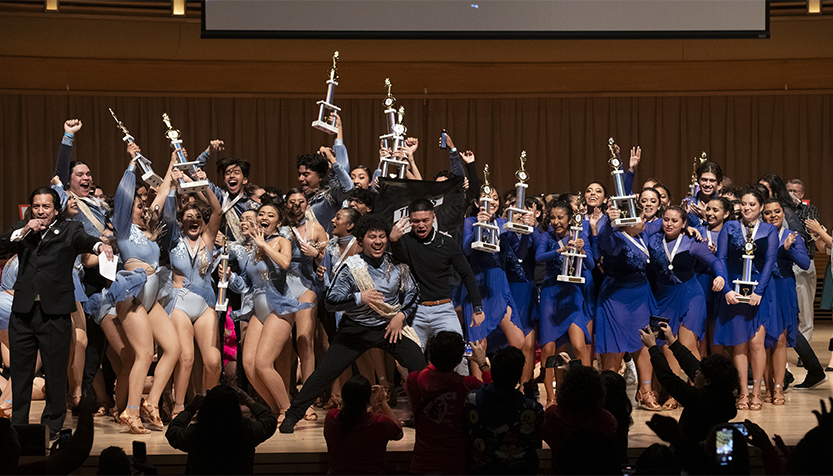
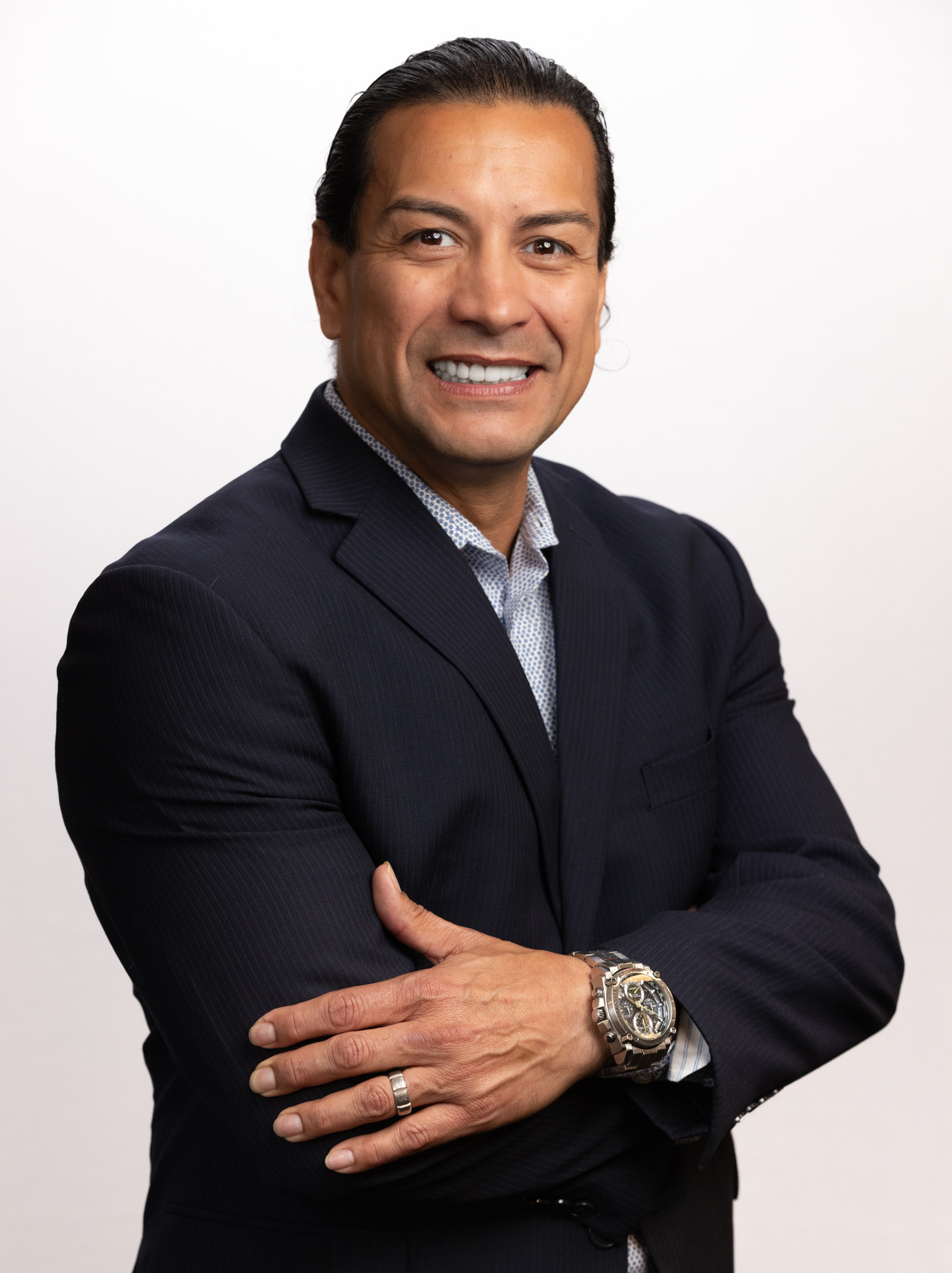
For Ricardo Loaiza, dance has been a lifeline, helping him adapt and thrive across cultures and continents. Now he’s passing that transformative power on to hundreds of Montgomery County Public School students who participate in Baila4Life, the annual Latin dance competition that Strathmore presents every November.
RICARDO’S JOURNEY
Born in Colombia, Loaiza spent his early childhood in Suriname, navigating multiple languages and cultures before moving to the United States in 1990. His early work in community programs for at-risk youth led him to teach Latin dance as a side job, which evolved into after-school programming for Montgomery County high schools.
“When I started, it was about giving students a sense of belonging,” says Loaiza. “Dance became a way for them to connect with each other and with their culture.”
FROM GRASSROOTS TO GRAND STAGE
Loaiza’s work began organically when local teachers requested presentations for Hispanic Heritage events or asked him to teach choreography to students. As interest grew, he partnered with high school principals who donated space and enlisted volunteer teacher sponsors, each dedicating countless hours to their Latin dance teams.
Loaiza’s approach emphasizes positive reinforcement. Students who might struggle academically or socially find motivation and support in dance, building confidence that extends far beyond the stage.
His programs gradually expanded to serve nearly every high school in the Montgomery County public school (MCPS) system. Students began auditioning at their schools each fall to participate in the high-energy Baila4Life competition, showcasing four key Latin dances: salsa, bachata, cha-cha, and merengue.
By the late 2000s, school auditoriums could no longer fit the competition’s enthusiastic crowds of more than 1,000 people. In 2010, Loaiza found a venue that could: the Music Center at Strathmore. The move also prompted him to formalize his grassroots efforts into the nonprofit After School Dance Fund (ASDF).
A PARTNERSHIP THAT WORKS
Even as its popularity soared, ASDF struggled financially like many nonprofits. Strathmore could waive rental fees with donors’ help, but ASDF was still responsible for direct production costs for stagehands, equipment, and front-of-house staff to the nonprofit. After a few years, both organizations recognized the benefits of elevating their partnership to a “Strathmore Presents” arrangement: Strathmore pays an artist fee and manages operational tasks like marketing and ticket sales.
“This shift has allowed Ricardo and his team to focus on the creative and educational aspects without being burdened by operational logistics,” says Strathmore President and CEO Monica Jeffries Hazangeles. “It’s a model for how established arts institutions can support community-based programs and amplify their impact. The Music Center was made for this kind of communal event, where generations attend with their families and come to feel truly at home. I hope the dancers experience that sense of belonging here.”
Today, as Baila4Life celebrates its 15th anniversary at Strathmore, the partnership is thriving. Loaiza hopes to expand the program to include elementary and middle school students.
BEYOND THE STAGE
“Some of our participants used to want to drop out of school, but through dance they found confidence, a family, and a reason to engage,” says Loaiza. “The transformation on stage is incredible. That’s why we keep going.”
For the dancers, there’s another compelling reason: It’s pure joy. Baila4Life is a nonstop, three-hour sensory celebration of colorful costumes, youthful energy, and pulsing Latin rhythms. Strathmore’s Concert Hall buzzes with audience enthusiasm as families cheer, dance, and sing along.
“Dance has been a safe place for me and other dancers and a lot of MCPS students,” says David Cuevas, a Baila4Life alum. Fellow graduate Luz Chavez agrees. “In high school, I felt displaced,” she says, “and Baila4Life helped me fit in because the passion for dance made me feel safe and like I belonged.”